
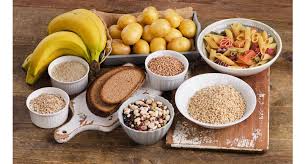
Pasta, white rice, and potatoes aren’t foods you see too often these days on the “eat more” list. That’s mainly because they’re high in the type of carbs that can raise blood glucose (sugar) levels. Over time, that could lead to insulin resistance, which occurs when your body requires more insulin to normalize glucose levels and increases type 2 diabetes risk. White rice and pasta are also lower in fiber than their whole-grain counterparts.
But there’s a way to make those foods healthier: Cool them after you cook them. This alters their carbohydrate structure, creating something called resistant starch, which may minimize the effects on blood sugar and have other benefits.
“People are often told to avoid these high-carb foods, but if you’re trying to achieve a healthier gut, create meals with more satiety, or hoping to lower the glycemic impact and improve insulin sensitivity, then eating these foods could be a good option,” says Kaitlin Hippley-Brown, RDN, a certified diabetes care and education specialist at University Hospitals in Cleveland.
What Is Resistant Starch?
Resistant starch gets its name because, like soluble and insoluble fiber, it resists being digested in the small intestine, moving into the large intestine pretty much intact, says Ethan Balk, PhD, RDN, a clinical associate professor of clinical nutrition at New York University. The fact that it’s not broken down in the small intestine is why it has a gentler effect on blood glucose.
Another benefit, according to Balk, is that resistant starch ferments in the large intestine, feeding the good bacteria there and promoting a healthy microbiome. Having resistant starch in the gut can help you feel fuller, too, which may help with weight management, Hippley-Brown says.