
Introduction Type 2 Diabetes Mellitus (T2DM) is a chronic metabolic disorder characterized by elevated blood glucose levels resulting from insulin resistance and relative insulin deficiency. It is one of the most prevalent endocrine disorders worldwide, driven by a combination of genetic, environmental, and lifestyle factors (1, 2). T2DM is associated with a range of systemic complications, including cardiovascular disease, neuropathy, nephropathy, and retinopathy, which significantly impact patient quality of life (3, 4). The pathogenesis of T2DM involves complex metabolic dysregulation, notably disturbances in glucose and lipid metabolism, often exacerbated by poor dietary habits, sedentary lifestyles, and obesity (5-7). Osteoarthritis (OA) is a degenerative joint disease characterized by the progressive breakdown of articular cartilage, subchondral bone remodeling, and synovial inflammation (8). It is the most common form of arthritis, primarily affecting weight-bearing joints such as the knees, hips, and hands (9). OA leads to pain, stiffness, reduced mobility, and diminished quality of life, imposing a significant socioeconomic burden. Recent research recognizes the role of metabolic and inflammatory processes in its development(10, 11). Emerging evidence indicates a significant link between diabetes and osteoarthritis (OA), suggesting that metabolic disturbances inherent to diabetes may contribute to joint degeneration (12, 13). The association is multifaceted, involving systemic inflammation, oxidative stress, and altered cellular metabolism within joint tissues(14, 15).
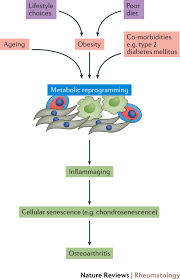
Hyperglycemia and insulin resistance can induce inflammatory pathways that exacerbate cartilage breakdown and impair repair mechanisms(16). Additionally, diabetes-related metabolic changes, such as dyslipidemia and mitochondrial dysfunction, can directly affect chondrocyte viability and function(17). Obesity, a common comorbidity of diabetes, further amplifies joint stress and inflammatory mediators, accelerating OA progression. Recent research highlights that early-life hyperglycemic environments may epigenetically predispose individuals to increased susceptibility to OA later in life, partly through mitochondrial impairment and disrupted cellular homeostasis in cartilage (18). Understanding the intricate relationship between diabetes-induced metabolic abnormalities and joint health is essential for developing integrated therapeutic strategies aimed at preventing and managing osteoarthritis in diabetic populations.
Key Factors Contributing to Nutritional Dysregulation in T2DM Nutritional metabolic dysregulation refers to the disruption of normal metabolic processes resulting from imbalances in nutrient intake, absorption, and utilization. It encompasses a spectrum of metabolic disturbances characterized by abnormal glucose metabolism, lipid abnormalities, and inflammatory responses. In the context of T2DM, this dysregulation manifests as impaired insulin signaling, increased hepatic glucose production, and dyslipidemia, which collectively contribute to systemic metabolic imbalance(19, 20). Such disturbances not only impair energy homeostasis but also set the stage for chronic low-grade inflammation and tissue damage, thereby influencing the development and progression of comorbid conditions such as osteoarthritis.