
Humankind’s food systems are central to global efforts to manage climate change, a landmark new report by the EAT-Lancet Commission concluded.
Even if a global energy transition away from fossil fuels occurred, food systems could cause the world to breach the Paris Agreement’s global warming limit of 1.5C, the research group said.
Unlike the previous report, issued in 2019, the new study quantified global food systems’ share of all nine planetary boundaries. It found that food is the single largest cause of planetary boundary transgressions, contributing to five of the six breached boundaries, and has a “notable impact” on the climate change boundary and the ocean acidification boundary.
“Unsustainable land conversion, particularly deforestation, remains a major driver of biodiversity loss and climate change,” according to the report. “Food systems account for the near totality of nitrogen and phosphorus boundary transgression … and the massive use of novel entities in food production, processing, and packaging (ranging from plastics to pesticides) remains a major concern.”
Planetary Health Diet
In light of the findings, the report set out a transformation pathway, including a shift to healthy diets, increased agricultural productivity, and reduced food loss and waste. These recommendations center on the concept of a “Planetary Health Diet”, or PHD, and pathways to reach it.
“The report sets out the clearest guidance yet for feeding a growing population without breaching the safe operating space on Earth set by the planetary boundaries,” lead author Johan Rockström, Co-Chair of the EAT-Lancet Commission, said in a statement. “It shows that what we put on our plates can save millions of lives, cut billions of tonnes of emissions, halt the loss of biodiversity, and create a fairer food system.”
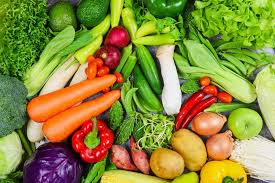
Consistent with the previous report and earlier recommendations, the largest portion of the recommended PHD consists of vegetables, fruits, whole grains, tubers and starchy roots. Another central feature of the PHD is the importance of nuts and legumes (including beans, pulses, and soy) as major protein sources.