
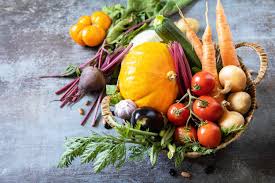
Seasonal fall produce can boost a heart-healthy diet. Many of these fruits and vegetables are rich in fiber, antioxidants, vitamins, and minerals that support cardiovascular health by lowering cholesterol and reducing plaque in arteries.
As a general rule, aim for at least 2.5 cups of vegetables and 2 cups of fruit per day as part of a healthy eating plan. American Heart Association. What is a healthy diet? Recommended serving infographic.
Although this can include almost any produce, these nine seasonal picks offer added benefits for your heart.
1. Pumpkin
Pumpkins are rich in beta-carotene, a pigment that gives pumpkins their signature orange color. Beta-carotene turns into vitamin A in your body, which has antioxidant properties that may protect against heart disease, according to Theresa Gentile, MS, RDN, CDN, a New York-based registered dietitian with expertise in cardiovascular nutrition.
Pumpkin seeds are also nutritious. A small 2019 study suggested that pumpkin seed oil might help prevent high blood pressure in postmenopausal women. Eating whole seeds would offer the additional benefit of fiber, which can help lower cholesterol levels and reduce heart disease risk.
2. Apples
Apples are full of fiber and polyphenols, compounds in certain fruits and vegetables that are known to support heart health. A 2020 study found that eating two apples a day can help lower heart disease risk for people with elevated blood cholesterol levels.
Eating raw apples is one way to enjoy this seasonal fruit, but you can also try baked apples with a sprinkle of cinnamon and nutmeg.
3. Pomegranate
A 2020 study found that pomegranate juice could lower blood pressure, but the study was conducted on people with advanced kidney disease, so more research is needed to determine if the same benefits apply to a broader population.
Like apples, pomegranates are rich in heart-healthy polyphenols, which give the fruit its rich color.